
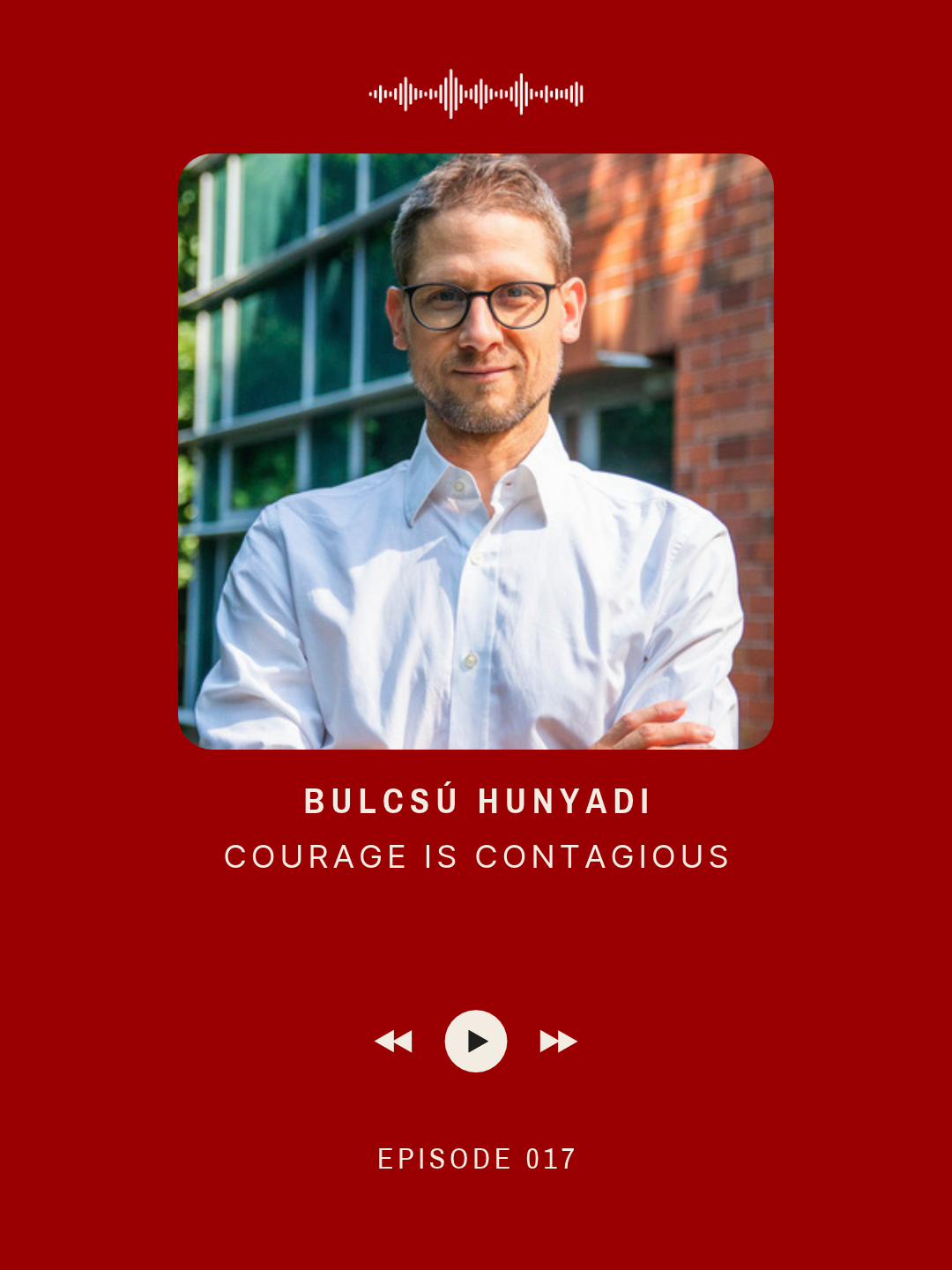
Listen to the full episode:
Time Codes:
6:49 Remembering 1989
9:55 The question of loyalties
12:45 The re-writing of the Hungarian political order
15:35 Media under attack
17:20 Corruption fuels the authoritarian system
21:40 Someone the opposition can believe in
28:35 The link between corruption and the economy
29:50 Avoiding the culture wars
34:45 Far-right networking across borders
43:10 Tactics for defending democracy
#listen #newpodcast
Courage Is Contagious
Bulcsú Hunyadi’s first political memory dates back to 1989 when, as a schoolboy in the wake of the fall of the Berlin Wall, a teacher turned on the radio and had students listen to the announcement from the interim Hungarian president that the country was becoming a democratic state again. He remembers voting in his first democratic election when he turned 18 in 1998, and he recalls Hungary’s accession to the EU and NATO. It seemed that after 40 years of Communist rule, Hungary was firmly back in the family of democratic nations.
In just over two decades, however, a creeping authoritarianism began returning to Hungary. After a relatively unremarkable term as prime minister from 1998 to 2002, Viktor Orbán won re-election as prime minister in 2010. This time around, things would be very different. He and his Fidesz party would rule the country for 16 years through an increasingly authoritarian regime, turning Hungary into a full-fledged, self-proclaimed “illiberal democracy” that was marked by state capture of institutions, intense media consolidation, and widespread crony capitalism.
The resulting system was described by many as an “electoral autocracy.” Elections took place, but on a playing field so slanted that it was all but impossible for anyone to challenge Orbán and his party. Orbán increasingly cemented his grip on power until it seemed that nothing could ever dislodge him. He was so effective that, despite its small size, Hungary became a model studied by other far-right movements around the world.
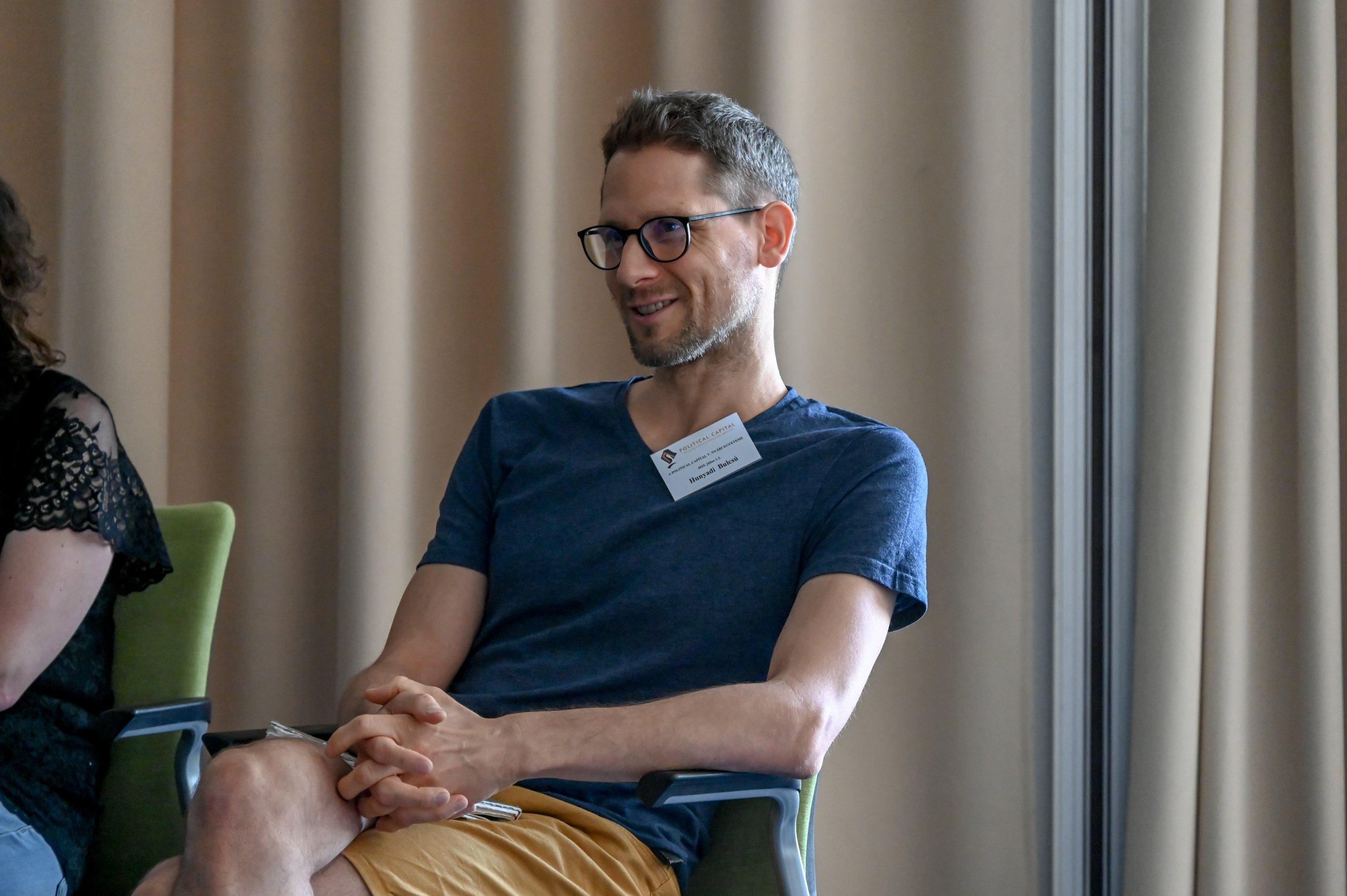
Bulcsú watched democracy slip away from Hungary while working as an analyst at the independent think tank Political Capital. The organization, like any critical of the government, was targeted as an enemy of the state, and its director, Péter Krekó, in particular, was harassed by the government and state media. As Orbán solidified his grip on the country, Bulcsú was busy charting the international network of right-wing extremists that Hungary both inspired and drew support from.
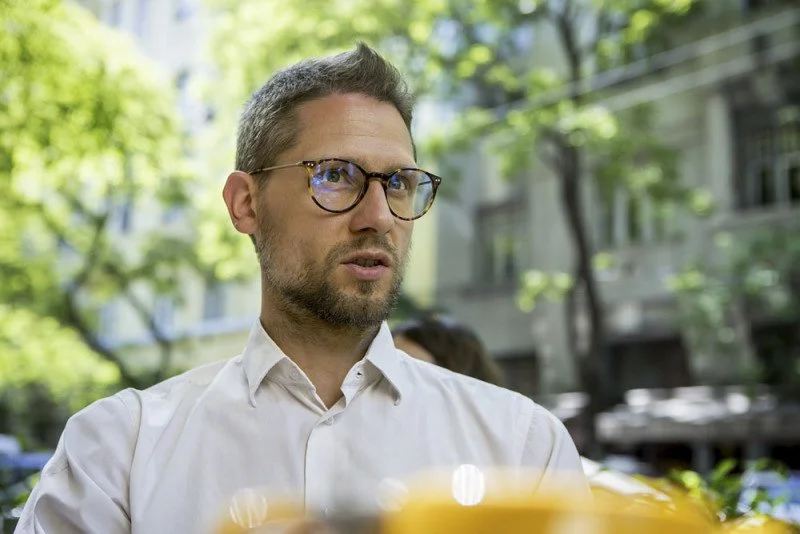
Today, Bulcsú is head of programs at Political Capital, and also head of the radicalization and extremism program, where he focuses on far-right actors, tactics, and networks as well as international authoritarian networking, Russian influence, disinformation, and Hungarian politics.
In our conversation, he explains how the “Orbánization” of Hungary took hold, from the capture of state institutions and the media, to gerrymandering, the weaponization of the judiciary, and the creation of a wide-ranging system of corruption that funded the entire enterprise.
Anyone following what’s been happening in the U.S. in recent years will see a roadmap that was largely developed in Orbán’s Hungary.
Bulcsú also explains how Hungary managed to turn things around with the election of Peter Magyar and his Tisza party earlier this year. Many factors had to come together to dislodge such an entrenched system, including an opposition leader people could really rally around and who could convince people that change was not impossible.
“Courage is contagious” says Bulcsú, and once people began to stand up and reassert their own agency, it snowballed into a democratic movement that not even an authoritarian like Orbán could hold off forever.
Comments, questions, suggestions? Get in touch, we’d love to hear from you: hello@thewow.world